
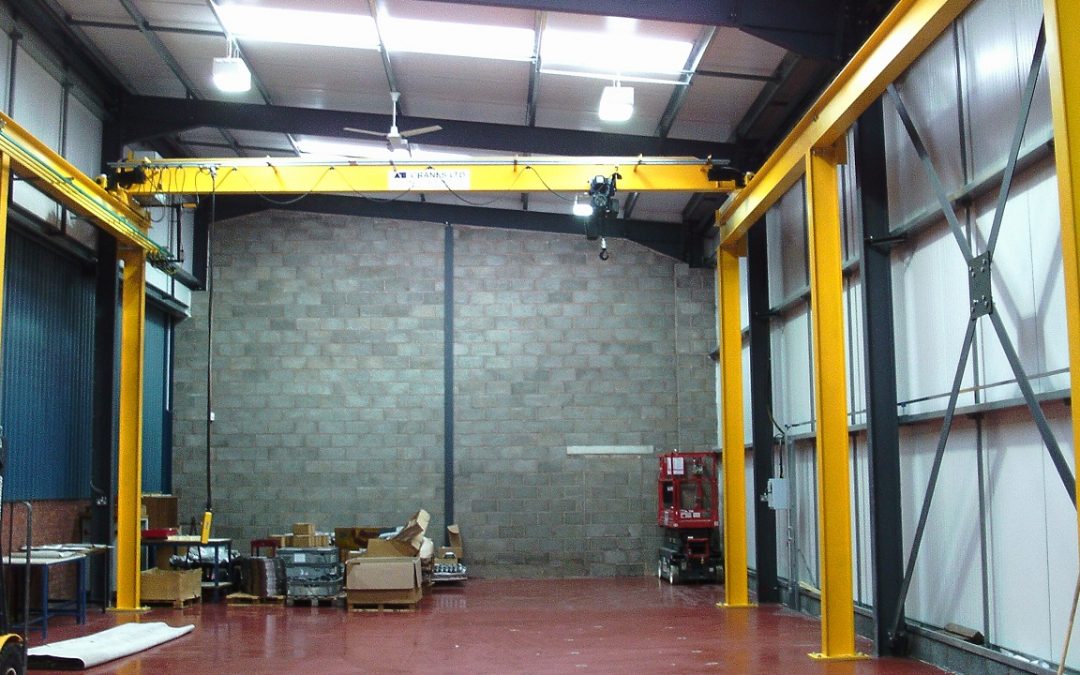
I would like to say a big thank you to your company for fitting a fantastic 2 ton overhead crane for our new warehouse in Warwick. A special thanks to the 3 guys Duane, Ash and Darren who worked very long hours to complete the fitting in 2 days. (Well done lads, brilliant job). Dominic you were professional from start to finish on which you given me the right crane for our needs and I would recommend 100% your company to anyone who needs a crane. A big warm thank you again.
Steve Emmonds
Kigass Aero Components Ltd
Warwick
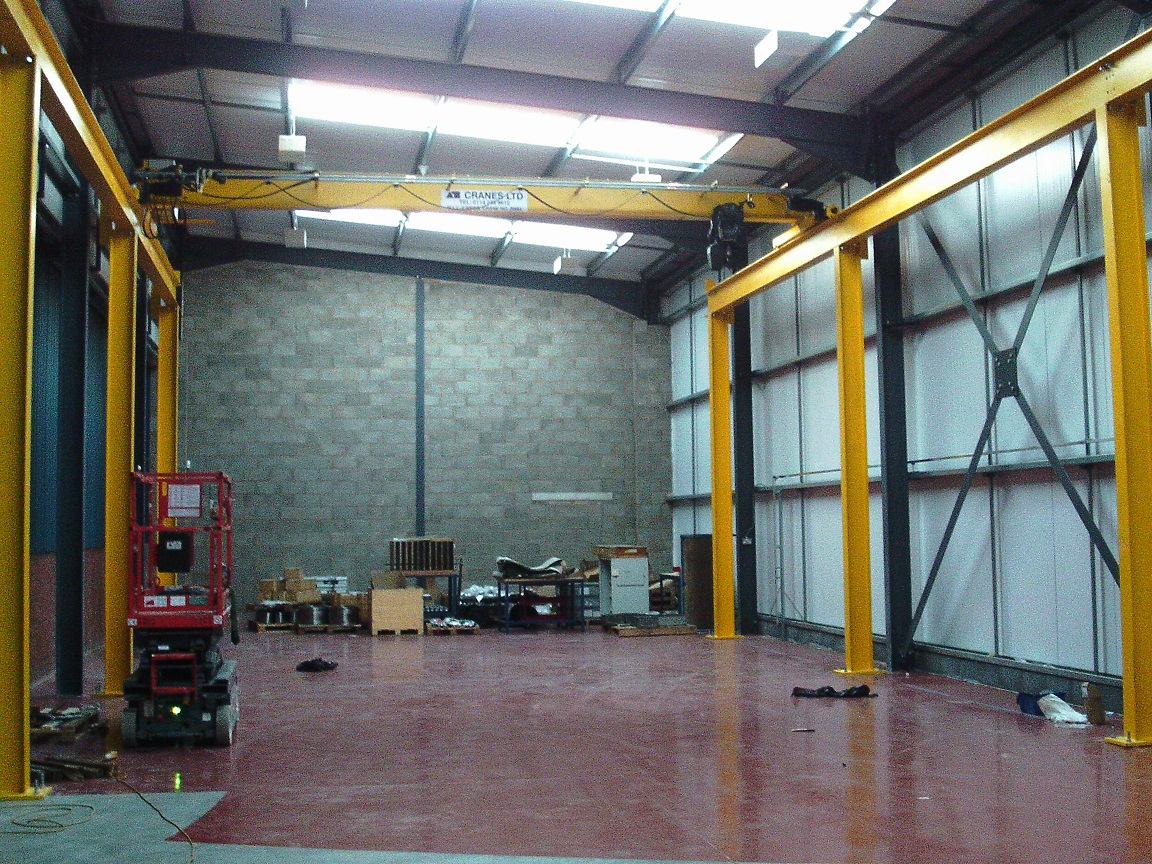

Maximise Efficiency and Safety with a 2 Ton Overhead Crane for Your New Warehouse
Looking to maximise efficiency and safety in your new warehouse? Look no further than a 2-ton overhead crane. With its superior lifting capabilities and advanced safety features, a 2-ton overhead crane is the perfect solution for heavy lifting in your warehouse operations.
Featuring a robust design and cutting-edge technology, this crane offers unmatched strength and stability, allowing you to move, lift, and position loads with ease. Whether you need to transport heavy machinery, raw materials, or finished products, a 2-ton overhead crane can handle the task efficiently and securely.
Safety is a top priority in any industrial setting, and a 2-ton overhead crane is engineered to deliver optimal safety. Equipped with advanced safety features such as overload protection and emergency stop systems, this crane ensures the well-being of your workers and safeguards your valuable assets.
Boost productivity, reduce downtime, and ensure the safety of your workforce with a 2-ton overhead crane for your new warehouse. Experience the power and efficiency that this crane brings to your operations, and take your business to new heights.
The Benefits of Using a 2-Ton Overhead Crane
One of the primary advantages of utilising a 2-ton overhead crane in warehouse operations is its ability to significantly enhance productivity. With the capability to lift and transport heavy loads with ease, this type of crane minimises the time required for manual handling and reduces the risk of employee fatigue. By automating the heavy lifting process, a 2-ton overhead crane allows workers to focus on other critical tasks, thereby enhancing overall operational efficiency. This increased productivity can lead to higher output levels and improved service delivery, which are vital in today’s competitive business environment.
In addition to boosting productivity, a 2-ton overhead crane also enhances safety within the workplace. Safety is a paramount concern in any industrial setting, and this crane is designed with advanced safety features to protect both employees and equipment. Features such as overload protection, emergency stop buttons, and limit switches ensure that the crane operates within safe parameters, reducing the likelihood of accidents. Furthermore, by eliminating the need for manual lifting of heavy items, the crane helps prevent workplace injuries related to lifting strains and accidents, thereby promoting a safer environment for all.
Cost-effectiveness is another compelling reason to invest in a 2-ton overhead crane. While the initial purchase price may seem substantial, the long-term savings in labor costs and reduced injury-related expenses can make it a wise financial investment. Additionally, the durability and reliability of modern overhead cranes mean that they typically require less maintenance and have a longer lifespan compared to other lifting equipment. This longevity translates into lower overall ownership costs, making a 2-ton overhead crane a prudent choice for businesses aiming to streamline operations while maintaining a focus on budget management.
Different Types of Overhead Cranes
Overhead cranes come in various types, each suited to specific lifting needs and operational environments. One of the most common types is the bridge crane, which consists of a horizontal beam supported by two end trucks that travel along runway beams. This design allows for a wide range of lifting heights and spans, making bridge cranes suitable for larger warehouses and manufacturing facilities. Moreover, these cranes can be equipped with different hoists and attachments to handle diverse loads, offering versatility in operations.
Another popular type is the gantry crane, which shares similarities with bridge cranes but is supported by legs instead of being mounted on a fixed runway. Gantry cranes are particularly useful in outdoor environments or areas where overhead structures are not feasible. They can be moved from one location to another, providing flexibility for various tasks such as loading and unloading materials. Their design allows for easy access to loads without the need for a permanent installation, making them an excellent choice for dynamic workspaces.
Lastly, there are workstation cranes, which are designed for lighter lifting applications and are often used in assembly lines or smaller warehouses. These cranes typically have a lower lifting capacity compared to bridge or gantry cranes and are ideal for moving smaller, heavier items within a confined workspace. Workstation cranes provide operators with the ability to lift items manually and can be integrated seamlessly into existing workflows, further enhancing productivity without compromising safety.
Factors to Consider When Choosing a 2-Ton Overhead Crane
When selecting a 2-ton overhead crane for your warehouse, several crucial factors must be taken into account to ensure you make the best decision for your operations. First and foremost, you should assess the specific lifting requirements of your warehouse. This includes understanding the types of loads you will be handling, their dimensions, and the frequency of lifting operations. By knowing your lifting needs, you can select a crane that is appropriately designed to handle your typical workload efficiently.
Another essential factor to consider is the available space within your warehouse. The layout of your facility will play a significant role in determining the type of overhead crane that will work best for you. For instance, if your warehouse has limited headroom, a low-profile crane might be necessary. Conversely, if your operations require greater mobility or flexibility, a gantry crane could be the better option. Additionally, evaluating the clearance height and width of your aisles will help in selecting a crane that fits comfortably within your operational space.
Lastly, it is vital to consider the safety features and controls of the crane. Ensuring that the crane has adequate safety measures, such as emergency stop buttons, load limiters, and safety guards, is essential for protecting both workers and equipment. Furthermore, the ease of operation is crucial; look for cranes equipped with intuitive control systems that can be easily operated by your team. By prioritising safety and usability, you can create a safer and more efficient working environment.
Installation and Maintenance of a 2-Ton Overhead Crane
The installation process of a 2-ton overhead crane should not be taken lightly, as it requires careful planning and execution. Prior to installation, it is essential to conduct a thorough assessment of the warehouse environment to ensure that the crane can be safely and effectively placed. This includes evaluating the structural integrity of the building, identifying suitable mounting points, and ensuring proper clearance for the crane’s movement. Engaging professional installers who are experienced with overhead cranes will help ensure that the installation process adheres to industry standards and safety regulations.
Once the crane is installed, regular maintenance is crucial to ensure its longevity and optimal performance. A well-structured maintenance schedule should include routine inspections, lubrication of moving parts, and testing of all safety features. By proactively addressing potential issues, you can prevent costly downtime and extend the lifespan of your crane. Additionally, maintenance records should be meticulously kept to track the condition of the crane and provide documentation for inspections or audits.
Training your staff on proper maintenance procedures is equally important. Employees who are knowledgeable about the crane’s operation and maintenance requirements are more likely to identify problems early and address them effectively. Offering ongoing training programs can help to keep your workforce updated on best practices and safety measures. By fostering a culture of safety and responsibility, you can enhance the operational efficiency of your 2-ton overhead crane and ensure that it remains a reliable asset in your warehouse.
Safety Regulations and Precautions for Operating an Overhead Crane
Operating a 2-ton overhead crane requires strict adherence to safety regulations to protect workers and equipment. In many regions, these regulations are outlined by national and local safety organisations, which provide guidelines on the safe operation of cranes. Familiarising yourself with these regulations is essential for compliance and can help prevent accidents. This includes understanding load limits, operating procedures, and inspection requirements as outlined by organisations like OSHA (Occupational Safety and Health Administration) or ANSI (American National Standards Institute).
Before operating the crane, it is vital to conduct a pre-operation inspection. This inspection should involve checking the crane’s components, such as the hoist, hooks, and safety devices, to ensure they are in proper working order. Operators should also review the load chart and ensure that the weight of the load does not exceed the crane’s rated capacity. Establishing a checklist for operators to follow can help ensure that no critical safety steps are overlooked before beginning operations.
Proper training for all crane operators cannot be overstated. Operators should undergo comprehensive training that includes both theoretical knowledge and practical skills. This training should cover safe operating procedures, emergency response protocols, and the use of safety equipment. Regular refreshers and evaluations can help ensure that operators remain proficient and aware of any changes in safety standards. By prioritising training and compliance, you can create a safer operational environment and reduce the risk of accidents associated with overhead crane operations.
How a 2-Ton Overhead Crane Can Maximise Efficiency in a Warehouse
The integration of a 2-ton overhead crane into warehouse operations can lead to remarkable gains in efficiency. One of the primary ways this is achieved is through the reduction of manual labor involved in heavy lifting. Workers no longer need to strain themselves with cumbersome loads, allowing them to allocate their energy toward other essential tasks. This shift not only enhances productivity but also ensures that employees can maintain their stamina throughout the workday, contributing to a more effective workforce overall.
Moreover, a 2-ton overhead crane facilitates faster loading and unloading processes. With the ability to quickly move heavy items from one location to another, the crane minimises bottlenecks in operations. This efficiency is particularly evident during peak times when the demand for transporting goods is high. By streamlining these processes, companies can better respond to customer needs and maintain a steady flow of operations, leading to improved service levels and customer satisfaction.
Additionally, the versatility of a 2-ton overhead crane allows for multi-tasking within the warehouse. These cranes can be used for various applications, such as transporting raw materials, moving finished products, or even assisting in assembly lines. This adaptability means that the crane can play a crucial role in different aspects of warehouse operations, further enhancing overall efficiency. By reducing the need for multiple types of equipment, businesses can save on costs while maximising the use of their 2-ton overhead crane.